
Scar revision can help reduce the appearance of scars caused by injury or previous surgery. While many scars fade over time and eventually become barely noticeable, disruptions to the healing process can cause scars to become red, raised, indented, or otherwise irregular. At Funt Aesthetics, Dr. David K. Funt is a board-certified plastic surgeon and Fellow of the American College of Surgeons with extensive experience in cosmetic and reconstructive techniques.
Patients may feel self-conscious about prominent scars, particularly when they are located on highly visible areas of the face or body. Scar revision treatment is designed to improve the appearance of these scars and help them blend more naturally with the surrounding skin while taking the patient’s individual healing characteristics and treatment goals into account.
Types of Scars
There are several types of scars that may be sustained, depending on the injury’s type and severity, as well as the patient’s age, overall health, and individual healing properties.
Common types of scars include:
-
Hypertrophic scars
-
Keloids
-
Contractures
-
Depressed or indented scars
Each type of scar develops differently, so identifying the scar type is an important part of determining which treatment may be most appropriate.
Scar Revision Treatment Options
Scars are, by definition, permanent, but certain treatments can narrow, fade, and otherwise reduce the appearance of severe or unattractive scarring. This can be especially helpful in areas of cosmetic importance, such as the face and hands.
There are many surgical methods of scar revision, only some of which may be appropriate for a particular type of scar or its location. These include surgical excision, skin grafts, and flap surgery. The best procedure for each patient will vary depending on the location and severity of the scar, as well as the patient’s age, overall health, and desired extent of revision.
Subcision
Subcision is a procedure for treating scars that are depressed. A needle is inserted into the skin to break up the fibers that attach the scar to underlying tissue, allowing it to rise closer to the elevation of the surrounding skin.
The procedure also promotes healing in the area, encouraging the formation of new connective tissue that can help repair and smooth the skin. Subcision may be considered when tethering beneath the scar contributes to an uneven or indented appearance.
Excision
Surgical excision is often used for more significant scars, including certain contracture scars. The procedure involves making an incision to surgically remove the scar and surrounding damaged tissue with a scalpel.
A skin flap or graft may be used when necessary to restore the appearance of the skin in the treated area. In cases involving contracture, these techniques may also help improve movement and flexibility affected by tight scar tissue.
What Can Scar Revision Improve?
Scar revision is intended to make a scar less noticeable rather than remove it completely. Depending on the scar and the treatment selected, revision may help improve:
-
Excessive elevation or thickness
-
Depressed or indented areas
-
Irregular or widened scars
-
Tightness caused by contracture
-
The way a scar blends with surrounding skin
-
Functional limitations related to scar tissue
Results vary based on the type, size, location, and age of the scar, as well as the patient’s natural healing response.
Is Scar Revision Right for You?
Scar revision may be appropriate for patients who are bothered by a scar’s appearance or by functional problems caused by scar tissue. Treatment may be considered for scars resulting from surgery, injury, or other forms of skin trauma.
During an evaluation, factors such as the scar’s location, thickness, texture, color, and effect on nearby tissue can be considered. A history of keloid or hypertrophic scarring is also important because individual healing tendencies can influence both treatment selection and expected results.
Why Choose Funt Aesthetics for Scar Revision?
Scar revision requires careful attention to skin healing, tissue quality, anatomy, and surgical technique. Dr. David K. Funt is certified by the American Board of Plastic Surgery and completed residencies in both general and plastic surgery, along with additional specialized training in burn and microvascular surgery. He is also a Fellow of the American College of Surgeons and has been recognized as a Castle Connolly Top Doctor for more than 25 years. Dr. Funt’s background in cosmetic surgery and soft-tissue procedures enables scar treatment to be planned for both appearance and function.
At Funt Aesthetics, each scar is evaluated individually so treatment can account for its location, severity, tissue characteristics, and the patient’s goals while maintaining a strong focus on safety and natural-looking improvement.
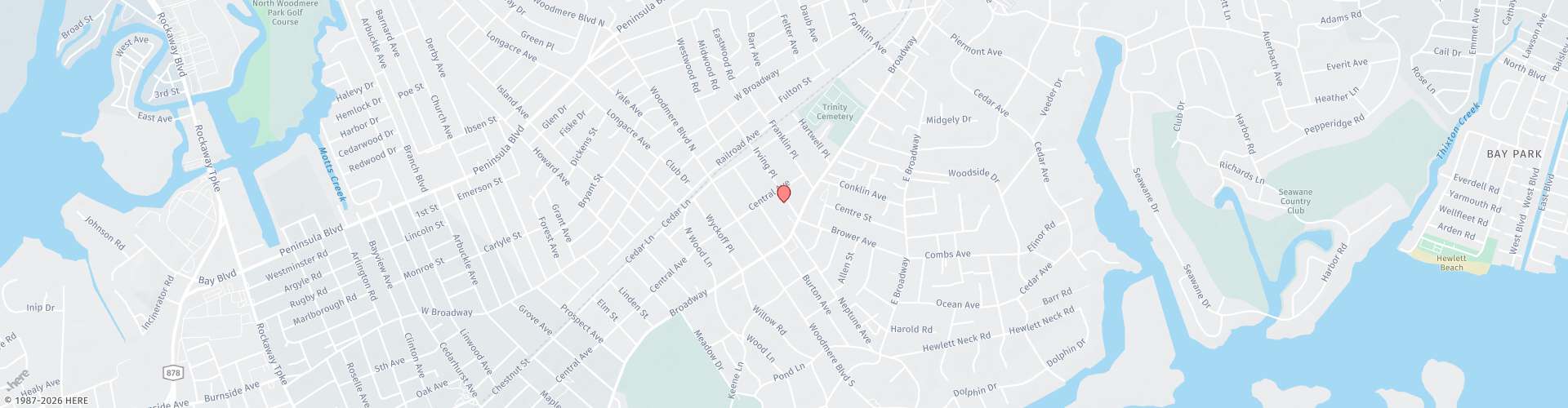
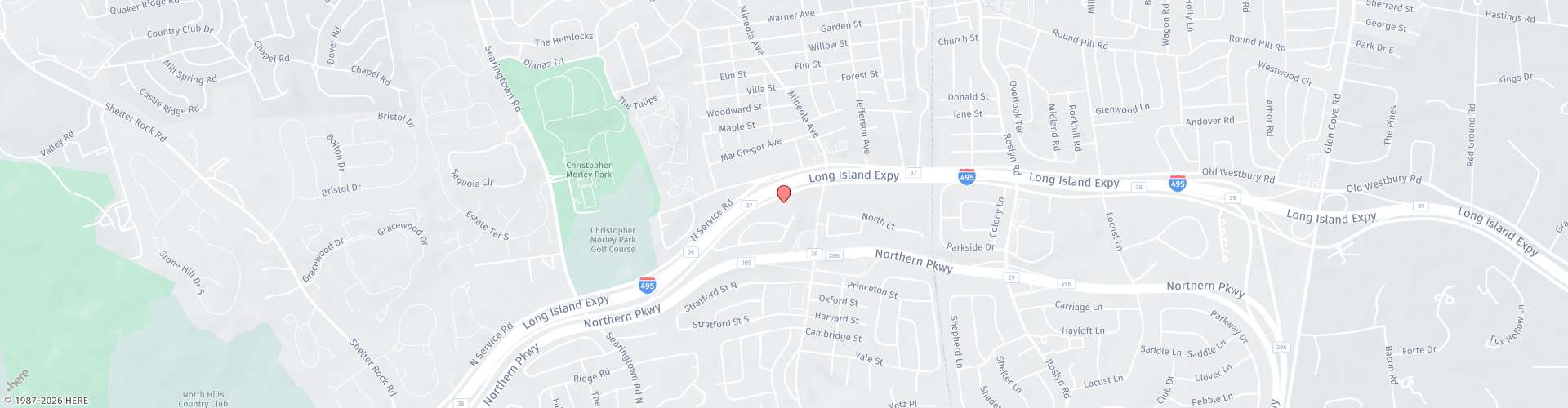
Explore Scar Revision in Long Island & Nassau County, NY
Scar revision can help improve the appearance of raised, indented, widened, or restrictive scars while helping them blend more naturally with the surrounding skin. Funt Aesthetics provides individualized treatment planning for patients throughout Long Island and Nassau County, NY.
To learn more about available options, call 516-295-0404 to schedule a consultation with Funt Aesthetics.